
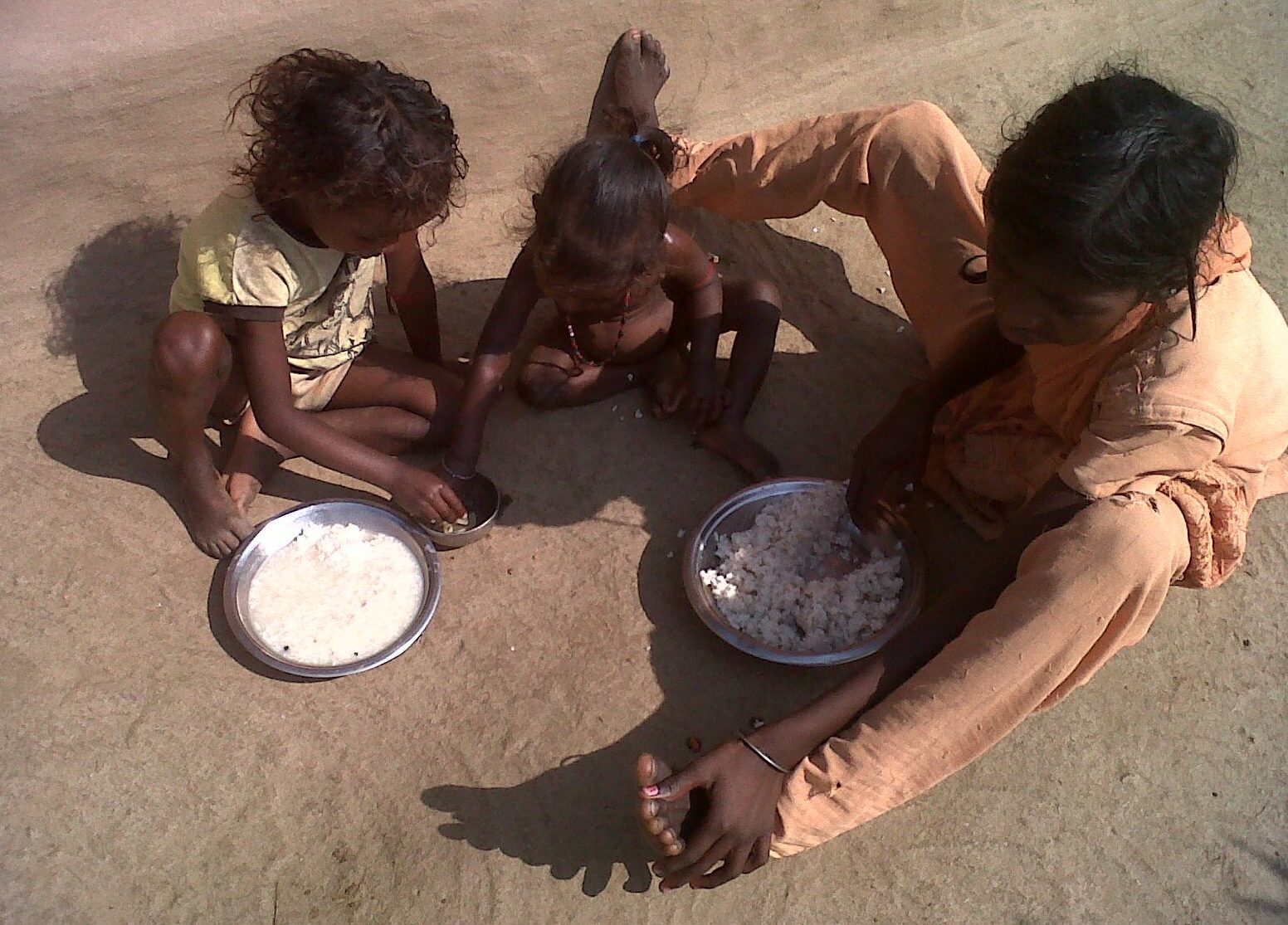
Fourteen per cent children – in a study conducted in nine districts of West Bengal – have said that they cannot have three meals a day. Under the same survey, 50 per cent children have said that there is child marriage in their locality.
These and some other interesting – and also heartbreaking – findings have been collated in the Children’s Report on the status of the United Nations Convention on the Rights of the Children (UNCRC) implementation in West Bengal.
The Campaigh Against Child Labour (CACL) West Bengal along with other organisations working with children chose 30 “child leaders” to interview others like them to find out more about the living conditions of the children. The interviewers and the interviewees are from different districts and diverse backgrounds – those living in tea gardens, forest areas, hilly region, border areas, some living on streets, brick kilns, red light areas and so on. Altogether 162 children of the age group seven to 17 years from nine districts of West Bengal, including six children with special needs were interviewed. The children themselves formed the report with the help of adult mentors.
Read More: COVID-19: Duare Sarkar, students’ programme cancelled for now
Some of the major findings:
At home:
*14 per cent don’t have three meals a day
Read More: Durga Puja travel: Chilapata-Jaldapara forest is a big draw as it opens before the pujas
*25 per cent have no toilets at home
*26 per cent don’t have safe drinking water available (at home)
*64 per cent said they did not have an option of sharing an opinion at home
In school:
*100 per cent said (between classes I to VIII) have mid-day meal regularly in their schools and the food served is adequate
*16 per cent are not regular in school
*60 per cent have to pay fees for their school education
*32 per cent have no access to safe drinking water in their schools
*12 per cent said they don’t have separate toilets for girls in their schools *60 per cent said toilets in their schools are not cleaned regularly
*23 per cent said they get punishment in schools
*72 per cent said they did not have an opinion in school
Socially:
*50 per cent said that there is child marriage in their locality
*14 per cent said they worked for money (78 per cent said they did not), but interestingly, 23 per cent said their friends worked for money
*11 per cent had faced physical abuse and the same percentage had been touched inappropriately
The UNCRC came into force in 1989 and 195 countries have ratified it promising they will give the children their due rights. India joined 30 years ago, in 1992.
The UNCRC mentions the formation of a committee to examine the progress made by the countries on implementation of the child rights. The first report with two years’ ratification and every five years after that on the progress is to be submitted to the UNCRC. The committee also welcomes reports by child organisations, for monitoring the implementations, also known as “alternative report”. This helps the UNCRC keep a track of actual progress being made.
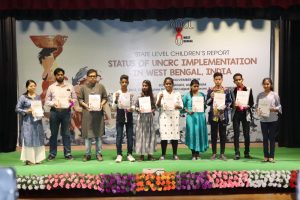
Campaigh Against Child Labour (CACL) West Bengal chapter – that has taken this initiative – is a national level civil society forum that aims complete eradication of child labour. The Children’s Report was released in Kolkata on Monday in presence of Prosun Bhowmik, member of West Bengal Commission for Protection of Child Rights, among others.
The report was presented by Sujan Sardar and Lusi Kumari, who are members of the report’s editorial board created for preparing the report.
[Cover photograph representational]