
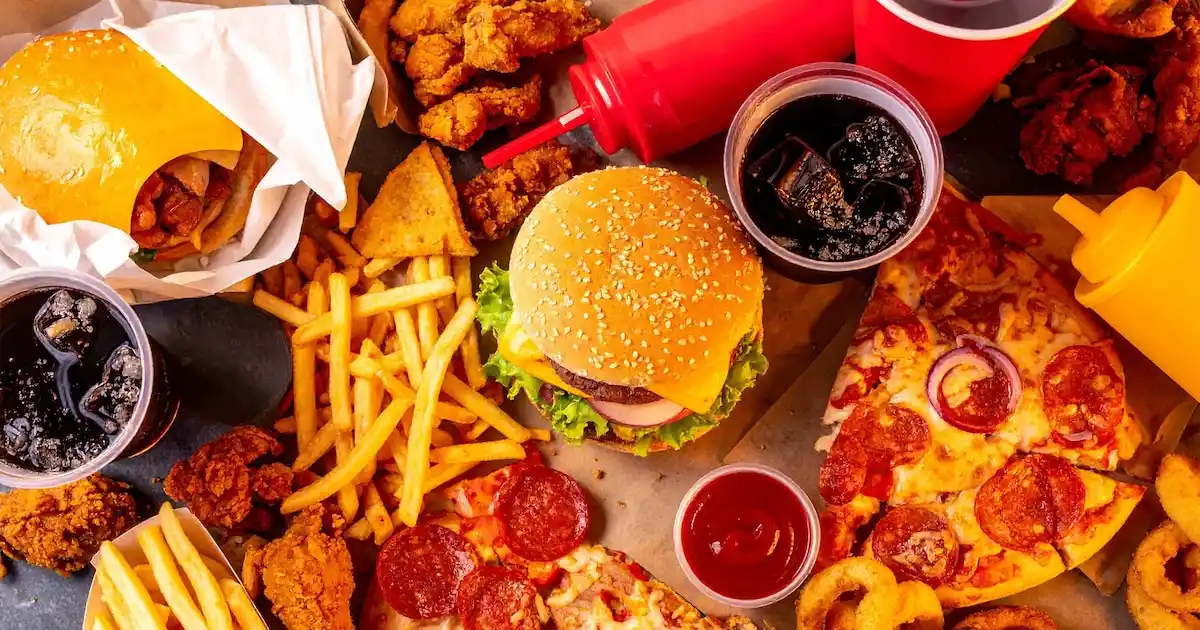
The Bengal Story Bureau: India is facing a silent public health crisis as the unregulated marketing of ultra-processed foods and beverages continues to reshape dietary habits, especially among children and adolescents. Despite growing evidence linking these products to an exponential rise in non-communicable diseases, regulatory frameworks remain sluggish, allowing large food corporations to exploit legislative loopholes and market unhealthy options with minimal restriction.
The aggressive promotion of high-fat, high-salt, and high-sugar foods has significantly contributed to India becoming a global hotspot for obesity and Type 2 diabetes. Public health advocates argue that voluntary industry codes have failed completely, making statutory regulations on advertising an immediate necessity to protect future generations.
The Surge in Non-Communicable Diseases
The shifting dietary landscape in India is directly reflected in deteriorating health metrics. According to recent epidemiological studies, the country has witnessed a stark surge in childhood obesity, cardiovascular ailments, and metabolic syndromes. Ultra-processed foods, designed for hyper-palatability and long shelf lives, displace traditional, nutrient-dense diets.
Read More: Exposure to light during sleep affects metabolism, finds study
The economic burden of managing these chronic conditions is poised to strain India’s healthcare infrastructure. Public health experts point out that while infectious diseases remain a challenge, the dual burden of malnutrition and obesity requires a structural policy overhaul that addresses the commercial determinants of health.
Failure of Voluntary Codes and Corporate Strategy
For years, the food and beverage industry has leaned on self-regulation and voluntary compliance codes to ward off strict legal mandates. However, monitoring agencies note that these guidelines are largely performative. Marketing campaigns continue to employ sophisticated tactics, including celebrity endorsements, cartoon characters, and digital gamification, to target vulnerable demographic segments.
Furthermore, corporate strategies often mask the low nutritional value of products through misleading health claims. Phrasings such as “immune-boosting,” “fortified with vitamins,” or “made with real whole grains” frequently appear on packages of items containing high levels of added sugar and trans fats, confusing consumers and neutralizing public health education efforts.
Read More: Full Details of UPHC, Covid Vaccinations Hospital Names With Address in Kolkata
Global Precedents and the Way Forward for India
To combat this epidemic, India needs to look at global regulatory frameworks that have successfully curbed junk food consumption. Countries like Chile, Mexico, and the United Kingdom have implemented strict measures, including front-of-pack warning labels, high taxes on sugary drinks, and bans on junk food advertisements during hours when children are most likely to watch television or browse digital platforms.
The Food Safety and Standards Authority of India (FSSAI) has debated front-of-pack labeling and marketing restrictions for years, yet comprehensive guidelines face persistent pushback from industry lobbies. Public health experts emphasize that a healthy lifestyle cannot be viewed purely as a matter of individual choice when the surrounding food environment is overwhelmingly toxic.
To achieve meaningful change, the Ministry of Health and Family Welfare must introduce statutory bans on the prime-time advertising of ultra-processed foods, enforce clear color-coded warning labels on packaging, and restrict corporate sponsorships of school and sports events. Without decisive state intervention, the commercial exploitation of youth diets will continue to jeopardize India’s long-term human capital.