
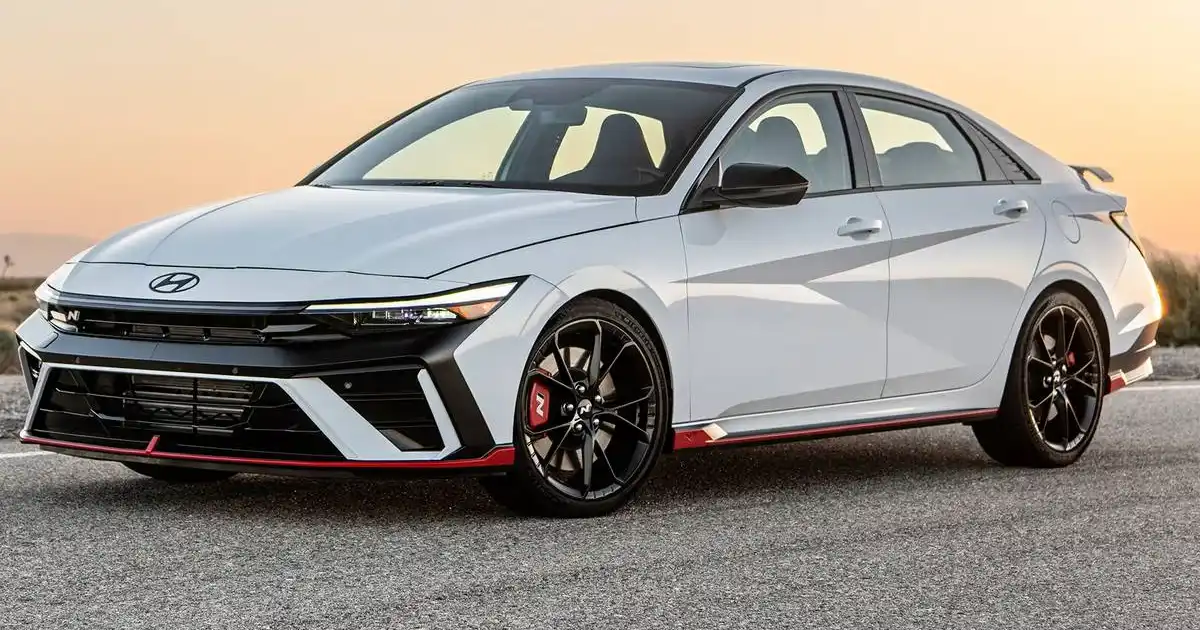
The Bengal Story Bureau: Global carmakers are intensifying efforts to engineer artificial engine sounds, simulated gear shifts, and intentional vibrations into electric vehicles to replicate the driving dynamics of traditional petrol cars. The shift comes as manufacturers attempt to win over driving enthusiasts who find the near-silent, single-speed acceleration of standard electric vehicles unengaging.
Recent developments across the automotive industry show a clear move away from purely silent cabins. Companies are investing heavily in acoustic and haptic engineering to bring back the sensory feedback that has defined the automotive experience for over a century.
Simulating the Mechanical Roar
Read More: Tata Sierra.ev Launched: Electric SUV Debuts at Rs 18.79 Lakh
Automotive acoustic engineers are designing synthetic soundtracks that respond directly to throttle inputs, speed, and simulated engine loads. Rather than creating futuristic, spaceship-like hums, several manufacturers are choosing to sample real internal combustion engines.
These sounds are delivered through high-fidelity interior and exterior speaker systems. The goal is to provide drivers with a clear audio cue of how fast the vehicle is accelerating, solving a common complaint among track drivers who rely on engine pitch to judge corner entry speeds without looking at the speedometer.
The Illusion of Gear Shifts
Read More: Maruti Suzuki S-Presso: High Mileage Mini SUV Features Starting Under Rs 4 Lakh
Electric vehicles naturally use single-speed transmissions that deliver smooth, uninterrupted power. However, several brands are introducing software-driven simulated multi-speed gearboxes.
These systems briefly interrupt the electric motor’s torque delivery when a driver clicks a steering-wheel paddle shifter. The sudden, minor drop and recovery in power mimic the physical shift shock felt in a dual-clutch petrol sports car, complete with matching needle drops on a digital tachometer display.
Haptic Feedback and Driver Engagement
The engineering push extends beyond sound to physical touch. Active vibration systems are being embedded into seat frames and steering columns to simulate the idle vibration of a high-performance engine.
Industry analysts note that these sensory additions are critical for emotional engagement, particularly in sports cars and performance models where buyers pay a premium for mechanical character. While pure electric power offers superior laboratory metrics in acceleration, carmakers acknowledge that human driving pleasure requires more than just raw speed.