
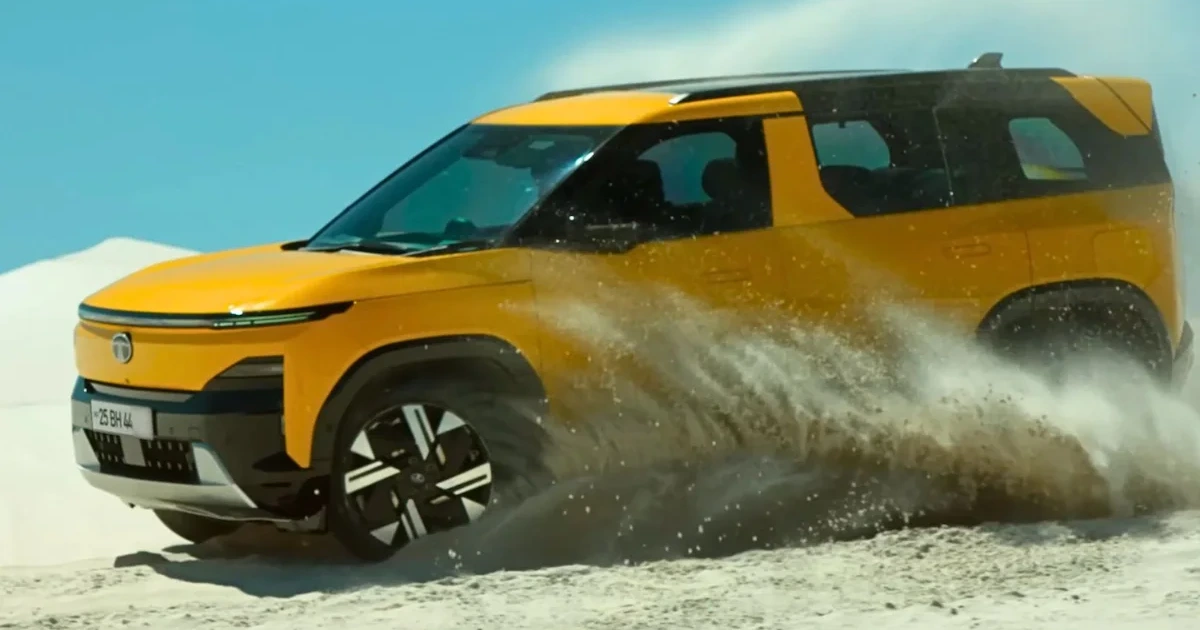
The Bengal Story Bureau: Tata Motors is preparing to resurrect the iconic Sierra nameplate, offering both Electric Vehicle (EV) and Internal Combustion Engine (ICE) powertrain options for the Indian market. The dual-strategy approach aims to capture early adopters of electric mobility as well as traditional driving enthusiasts.
The new Sierra is expected to launch first as an electric vehicle, followed by its petrol or diesel counterpart. Auto analysts predict the SUV will be positioned in the premium lifestyle segment, sitting alongside or slightly above the current Safari flagship.
Platform and Design Differences
Built on advanced platforms, the two variants will share a fundamental silhouette but feature distinct visual identities. The EV variant is expected to utilise the dedicated Acti.ev architecture. It will likely sport a closed-off front grille, aero-optimised alloy wheels and a minimalist front fascia to reduce drag and improve range.
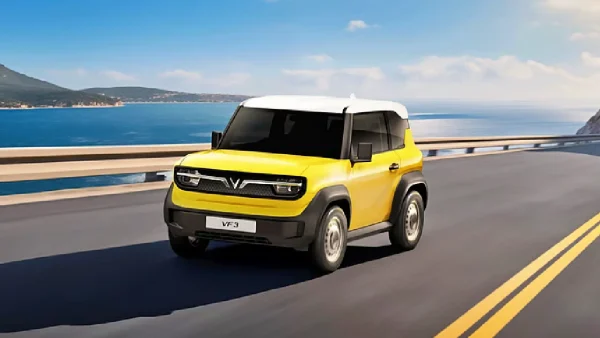
Read More: VinFast VF 3 Launch: Ultra-Compact EV to Enter India With 215 km Range
In contrast, the ICE version will require a functional front grille and larger air dams for engine cooling. Despite these front-end differences, both models are expected to retain the signature glasshouse rear section that defined the original 1990s Sierra. Tata Motors is updating this classic look with flush door handles, large alloy wheels and contemporary LED light bars.
Powertrain and Range Expectations
The electric Sierra is projected to deliver a certified driving range of around 500 km on a single charge. It will likely feature a high-capacity battery pack with options for both front-wheel and dual-motor all-wheel-drive configurations, drawing technology from the upcoming Harrier EV development.
For the ICE variant, the automaker is expected to deploy its new 1.5-litre TGDi turbo-petrol engine. This newly developed motor is capable of producing around 170 horsepower and 280 Nm of peak torque. It is likely to be paired with both manual and dual-clutch automatic transmissions. A diesel alternative using the proven 2.0-litre Kryotec engine remains a possibility depending on future emission norms and market demand.
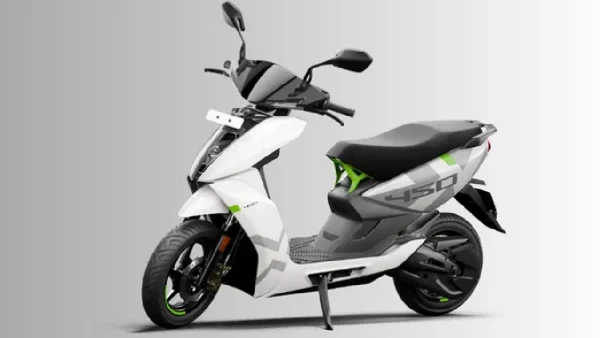
Read More: New 160cc Maxi-Scooters: TVS, Honda, and Yamaha Race to Launch
Which Variant Holds the Edge?
The choice between the two powertrains will depend heavily on consumer priorities. The EV variant will offer lower running costs, instant torque and a refined, silent cabin. This makes it a strong contender for urban buyers who have access to home charging infrastructure.
The ICE Sierra will appeal to buyers who prioritise long-distance touring and remote travel, where highway charging networks remain limited. Both variants will feature a highly digital interior equipped with Level 2 Advanced Driver Assistance Systems (ADAS), large infotainment screens and premium materials, ensuring a luxury experience regardless of the engine under the hood.