

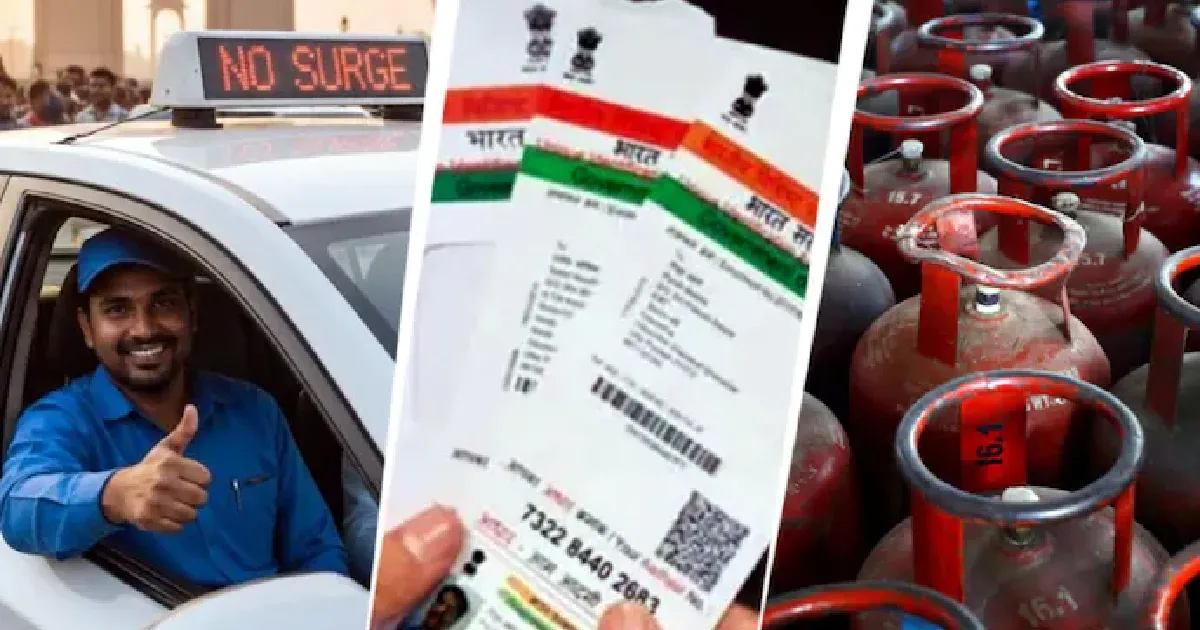
H1: Aadhaar, LPG and More: 5 Major Rule Changes Set to Take Effect from July 1
By The Bengal Story Bureau: Citizens across India should prepare for a series of significant administrative and financial updates scheduled to come into effect from July 1, 2026. The upcoming changes span key areas, including personal identification protocols, domestic fuel pricing, and banking regulations, all of which are expected to impact daily household management.
Aadhaar Authentication and Updates
The Unique Identification Authority of India (UIDAI) has introduced revised guidelines for identity verification processes. While Aadhaar remains a central pillar of digital identification, the government has mandated updated procedures for biometric re-verification for specific categories of users. Individuals are advised to ensure their mobile numbers and residential addresses are current to avoid any disruption in accessing government subsidies or welfare benefits.
Read More: Salesforce Lays Off 86 in Third Round in 9 Months, Hits Agentforce AI and MuleSoft Teams
LPG Cylinder Price Revision
Oil marketing companies are set to announce the monthly revision for domestic and commercial LPG cylinder prices on the first of the month. Given the recent global fluctuations in crude oil and natural gas markets, consumers should anticipate potential adjustments in their local fuel costs. Households currently benefiting from existing subsidy schemes are encouraged to check their registered accounts for any changes in benefit disbursement.
Financial and Tax Deadlines
July 1 marks the start of the second quarter of the financial year, bringing fresh deadlines for tax-related filings. Financial institutions will implement updated compliance norms regarding high-value transactions and interest rate revisions for fixed-term deposits. Experts advise taxpayers to review their recent transaction history to ensure alignment with the latest Income Tax department directives.
Impact on Essential Services
Beyond fuel and identification, several state-level administrative directives regarding public transport and municipal services are also scheduled for implementation. These changes aim to streamline service delivery and improve infrastructure efficiency. Officials have urged residents to consult official government portals for district-specific updates, as some mandates may vary based on regional implementation schedules.
Read More: CineNow Appoints Siddharth Roy Kapur as Principal Advisor for Rs 1,350 Crore IP Push
What happens next involves a phased rollout of these policies. Citizens are encouraged to monitor official notifications from their respective service providers to remain informed about how these transitions might affect their specific financial or domestic requirements.