
The Bengal Story Bureau: As the Indian automotive market continues its transition toward electrification, plug-in hybrid electric vehicles (PHEVs) are positioning themselves as a vital intermediary for buyers. While traditional hybrids have gained traction, PHEVs offer the added benefit of significant pure-electric range, allowing users to handle short daily commutes without engaging the internal combustion engine.
The Appeal of Plug-in Technology
Unlike conventional strong hybrids that rely on self-charging systems, PHEVs feature larger battery packs that can be charged via external power sources. This architecture provides the flexibility of electric-only driving—often ranging between 40 and 80 kilometres—while maintaining the long-distance convenience of a petrol or diesel engine.
For the Indian consumer, this technology addresses the primary concern of range anxiety while offering a path to zero-emission urban mobility. Automakers are increasingly eyeing this segment to bridge the gap between internal combustion engine (ICE) vehicles and full battery-electric vehicles (BEVs), particularly in the premium and luxury SUV spaces.
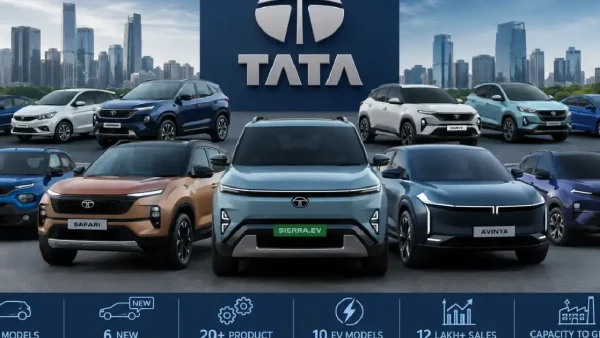
Read More: Tata Motors FY2031 Roadmap: 15 Models, 6 New Cars and 12 Lakh Sales Target
Key Models Expected for India
Several global manufacturers are reportedly evaluating their international PHEV portfolios for a potential India entry. Industry reports highlight the following models as strong contenders:
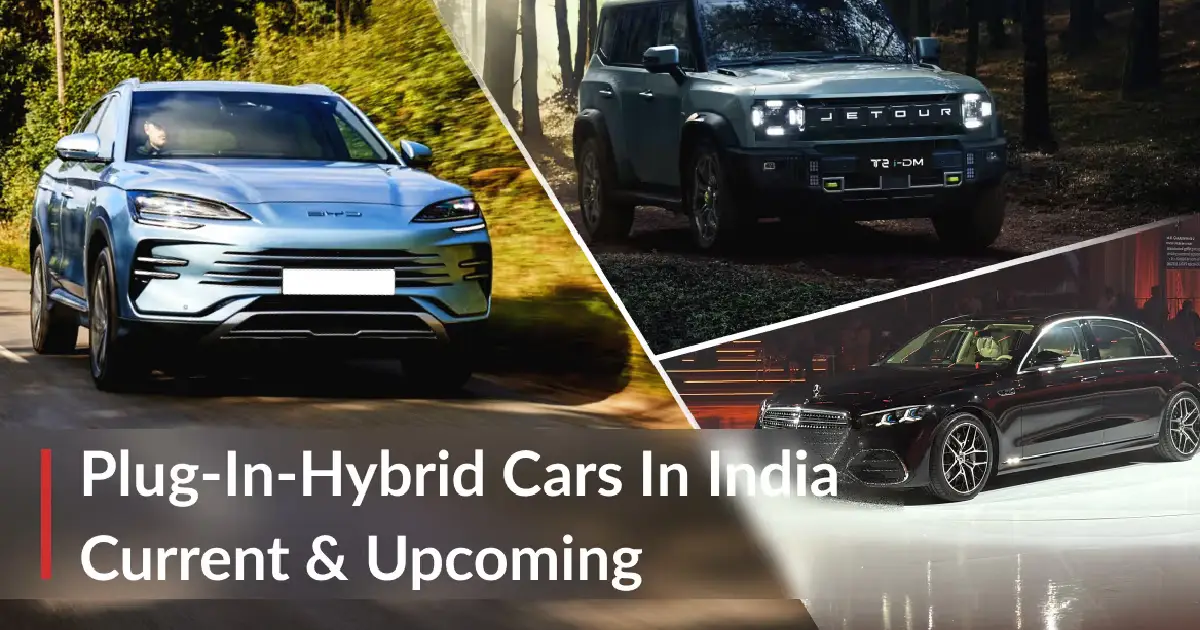
- Jetour T2: The rugged SUV has garnered attention for its off-road capabilities and modern design. Its plug-in hybrid variant is expected to target adventure-focused buyers who require both performance and efficiency.
- BYD Seal U: Following the success of its electric sedans in India, BYD is looking to expand its SUV footprint. The Seal U (a plug-in hybrid version of the Atto 3) is a prime candidate, offering advanced cabin technology and efficient hybrid performance.
- Mercedes-Benz S 450e: Moving into the luxury segment, the S 450e combines high-end comfort with sophisticated plug-in hybrid engineering, catering to buyers who prioritise both sustainability and prestige.
- Other Premium Contenders: Several other global manufacturers are currently conducting feasibility studies for their flagship hybrid SUVs, aiming to capitalise on the growing demand for tech-loaded, low-emission vehicles in major metropolitan areas.
What Happens Next?
The arrival of these models depends largely on government policy regarding import duties and the tax structure for PHEVs, which currently sits in a different bracket compared to full EVs. Market analysts suggest that if the regulatory environment becomes more favourable, India could see a significant influx of these versatile vehicles by the end of the next fiscal year. Prospective buyers should watch for official announcements from these manufacturers as they finalise their product roadmaps for the Indian market.
Read More: Tata Motors to Launch Six New ICE Models by FY2031