

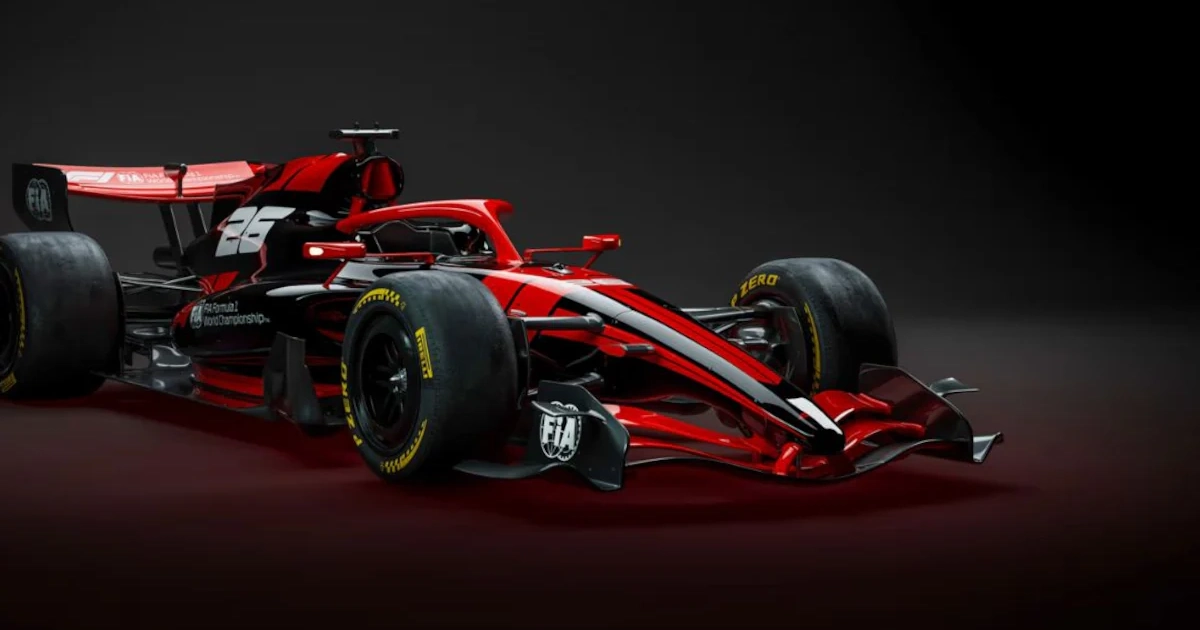
The Bengal Story Bureau: Formula 1 is set for a significant transformation in 2026, with the sport introducing a new set of technical and sporting regulations designed to make cars faster, lighter, and more environmentally sustainable. The upcoming overhaul represents the most comprehensive redesign of the sport’s platform in recent history.
What is Changing in 2026?
The core of the 2026 shift lies in a redesigned powertrain and aerodynamics. F1 will move to a 100 per cent sustainable fuel source, marking a critical step toward the sport’s goal of net-zero carbon status by 2030. These fuels are engineered to be ‘drop-in,’ meaning they can be used in existing internal combustion engines, though the 2026 power units are specifically built to optimise their performance.
The new power unit architecture will see an increased reliance on electrical power. The MGU-K (Motor Generator Unit – Kinetic) will be significantly more powerful, tripling its current output to 350kW. This shift aims to balance the sport’s high-performance heritage with the automotive industry’s rapid transition toward electrification.
Read More: ICC Post-Pregnancy Rules: Board Launches 6-Step Framework for Women Cricketers
Aerodynamic Overhaul for Closer Racing
Beyond the engine, the cars themselves will undergo physical changes to improve racing dynamics. The 2026 cars will be smaller and lighter than their predecessors, addressing a long-standing criticism from both drivers and fans regarding the size and weight of the current generation.
The introduction of ‘active aerodynamics’ will be a key feature, allowing cars to adjust their wing configurations in real-time. This system is designed to reduce drag on straights and increase downforce in corners, which organisers hope will facilitate closer wheel-to-wheel racing and increase overtaking opportunities across all circuits.
What Happens Next?
With the regulations finalised, teams are now in the advanced stages of wind tunnel testing and simulator development. While the cars will not hit the track for competitive racing until the 2026 season opener, pre-season testing will provide the first real look at how these changes translate from design to performance. Teams that successfully navigate the shift in power unit balance and aerodynamic efficiency are expected to gain a competitive advantage in the new era.
Read More: Kane Williamson Retires: NZ Great Walks Away With 19,346 Runs