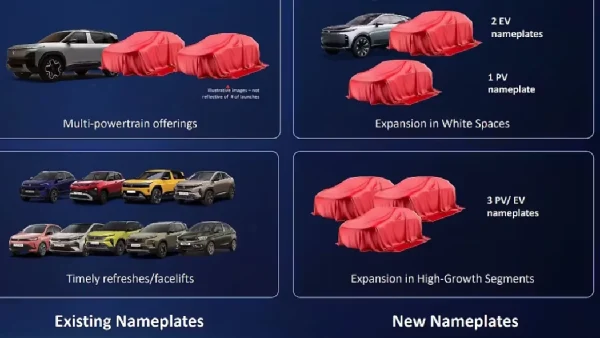

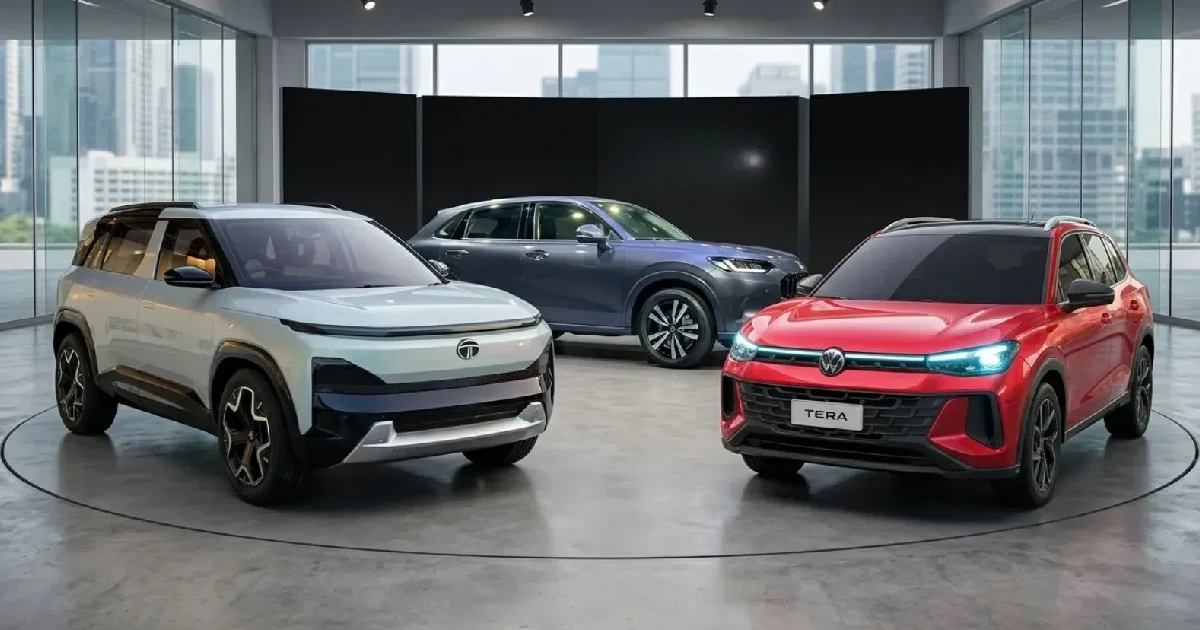
The Bengal Story Bureau: The Indian automotive market is gearing up for a busy second half of 2026, with manufacturers set to introduce a mix of high-performance electric SUVs and refreshed internal combustion models. As competition intensifies, automakers are focusing on expanding their portfolios to cover emerging segments, including premium EVs and feature-packed SUVs, to capture buyer interest before the end of the year.
Key Electric and Hybrid Additions
The transition to electrification remains a top priority for domestic giants. Tata Motors is expected to lead this charge with the launch of the Sierra EV, a flagship model that has generated significant anticipation. Designed with an all-wheel-drive system, it aims to cater to buyers seeking a blend of rugged off-road capability and zero-emission performance.
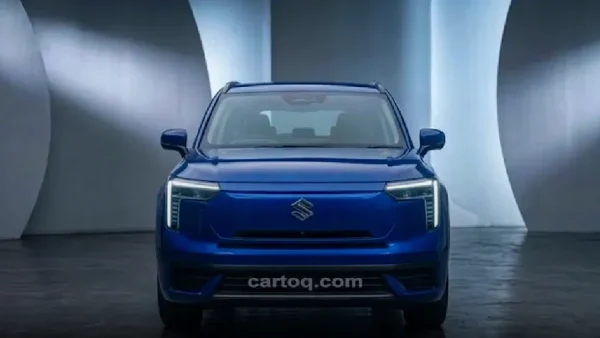
Meanwhile, joint ventures between established players like Maruti Suzuki and Toyota are set to bear fruit with the introduction of new battery-electric SUVs. These models are engineered to leverage localized platforms and cost-effective battery technology, placing them in direct competition with currently available mid-size electric crossovers.
Read More: Aadhaar, LPG and More: 5 Major Rule Changes Set to Take Effect from July 1
Facelifts and New Nameplates
Beyond the electric segment, traditional SUV manufacturers are refreshing their popular models to maintain market share. Mahindra is reportedly finalizing a facelift for the Thar, focusing on enhanced interior ergonomics and updated cabin technology. This move is designed to sustain the model’s popularity against a wave of new entrants that offer modern digital interfaces and advanced driver-assistance systems.
Nissan is also preparing for a significant global rollout, with the Tekton SUV expected to enter the market soon. Drawing design cues from the flagship Patrol, the Tekton is being positioned as a bold, mid-size alternative for those who prefer an assertive road presence and robust build quality.
What Happens Next?
The arrival of these models will be a critical test for the industry as it balances rising consumer demand with ongoing supply chain adjustments. Potential buyers can expect formal unveilings and technical demonstrations in the coming months as manufacturers finalise production timelines. With the upcoming festive season, automakers are likely to leverage these launches to boost sales figures and consolidate their standing in the Indian automotive landscape.
Read More: India’s Auto Sector Sees 480 New Entrants in 2025-26, Led by EV Push