
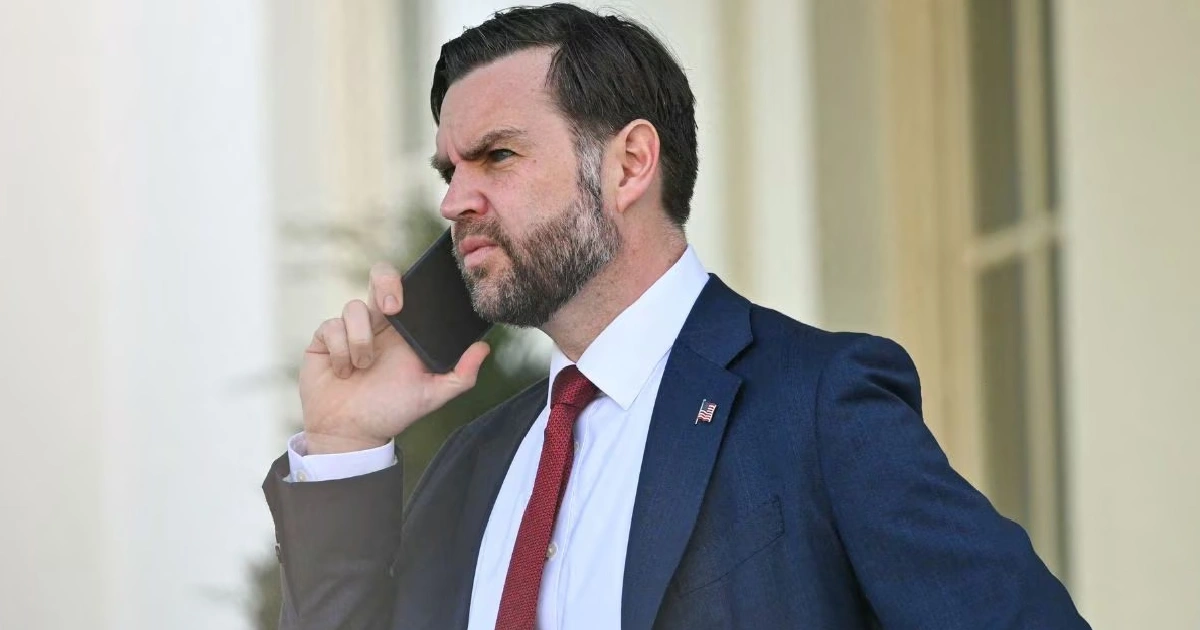
WASHINGTON: The Bengal Story Bureau: US Vice President JD Vance has defended the Trump administration’s decision to keep the full text of the preliminary US-Iran peace agreement under wraps. Facing intense scrutiny, Vance said the delay in releasing the document was to respect the sensitivities of mediating nations, including Pakistan and Qatar. The explanation has drawn immediate backlash from critics in Washington, who questioned why the United States is taking cues on transparency from countries with restricted press freedom.
The controversy erupted after Vance appeared on the Megyn Kelly Show to promote the fragile ceasefire pact, which temporarily halts a three-month conflict in the Middle East. When asked why the American public had not yet seen the memorandum of understanding, Vance admitted he did not fully understand the restriction himself.
“I don’t, frankly, fully understand it, but there are sensitivities that exist in the Arab and Muslim world that we are trying to be responsive to,” Vance told the host. He added that Iranian, Pakistani and Qatari officials had asked the United States to sequence the release of the document carefully.
Read More: Ballygunge bypoll: Abhishek Banerjee campaigns for Babul Supriyo
Secret US-Iran Deal Sparks Backlash
The remarks immediately triggered a wave of criticism from conservative commentators and foreign policy analysts. Critics slammed the administration for withholding a major diplomatic framework from its own citizens.
Several observers pointed out the irony of the situation, noting that countries like Pakistan and Iran severely restrict press freedom and democratic rights. Commentators argued it was unacceptable for the US government to hide the details of a major peace agreement from the American people to appease the political requirements of authoritarian or military-backed regimes.
Despite the mounting pressure, Vance maintained that the administration plans to release the full document by Friday, once formal signing ceremonies are completed in Switzerland.
Read More: Nirbhaya case: convicts to be hanged on March 20 at 5:30 am
The Islamabad Talks
Pakistan has played a central role in bringing Tehran and Washington to the negotiating table. The initial rounds of direct diplomacy, dubbed the Islamabad talks, involved 21 hours of intense negotiations led by Vance and Iranian officials in the Pakistani capital earlier this year.
Those early efforts collapsed, but subsequent backchannel diplomacy coordinated by Pakistan, Qatar and Oman eventually resulted in the current 60-day ceasefire framework.
What the Agreement Promises
Under the preliminary pact, Iran has reportedly committed to halting its nuclear weapons programme and reopening the strategic Strait of Hormuz to international shipping.
In exchange, US President Donald Trump has ordered the immediate removal of a naval blockade on Iranian ports. The pact is also expected to offer Tehran substantial economic relief if it complies with international nuclear inspections over the next two months.