

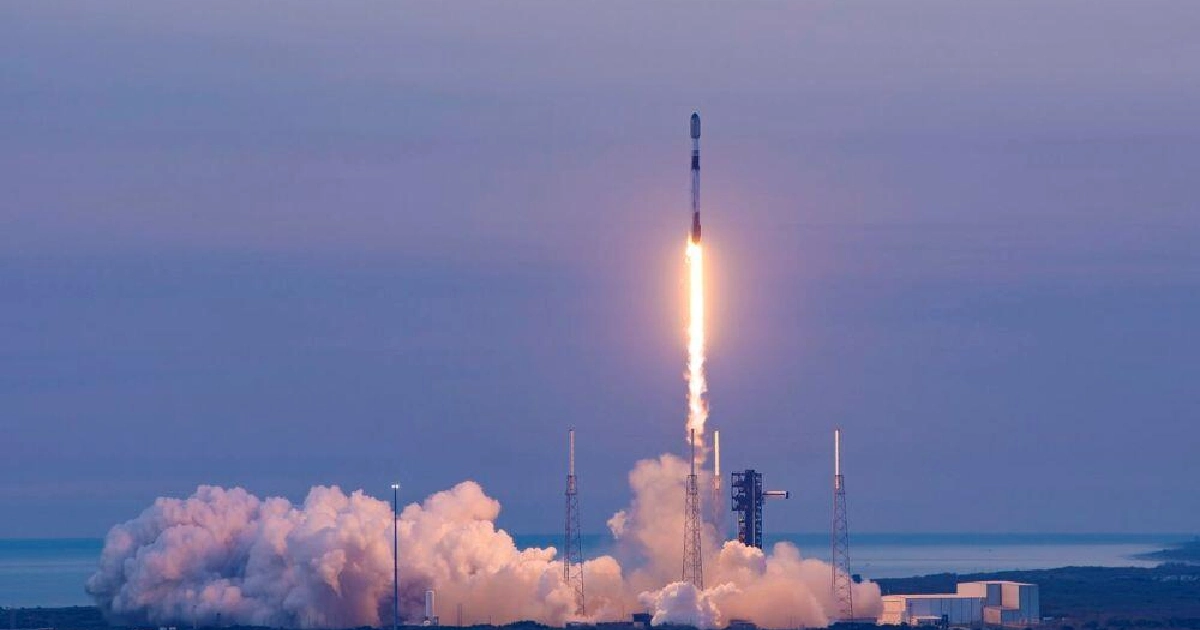
The Bengal Story Bureau: SpaceX has successfully initiated testing of a new specialised vehicle designed to retrieve and return payloads from Low Earth Orbit (LEO) to Earth. This development marks a significant shift in commercial space logistics, aiming to lower the costs and complexity associated with bringing experiments, hardware, and materials back from orbital stations.
Advancing Commercial Space Logistics
The new vehicle, which is currently undergoing rigorous ground-based testing at SpaceX facilities, is engineered to operate autonomously or in conjunction with the company’s existing launch infrastructure. Industry analysts suggest that by creating a dedicated return capability, the firm aims to provide more frequent and affordable access to orbit for private companies and research institutions that require the physical return of sensitive orbital research.
Strategic Shift for Orbital Missions
Historically, returning cargo from space has been restricted by the limited availability of dedicated capsules, often requiring missions to rely on existing crewed flight schedules. This new initiative signals a pivot toward a more flexible, dedicated cargo-return service. If the testing phase proves successful, the vehicle could significantly accelerate the pace of pharmaceutical, biological, and material science research conducted in microgravity, as researchers would no longer face the long wait times associated with current mission manifest constraints.
Read More: Consumer Court Orders MG Motor to Refund Rs 18.23 Lakh for Faulty Astor SUV
What Happens Next
SpaceX is expected to move toward integrated flight testing later this year, depending on the performance benchmarks achieved during the current series of ground operations. The company has not yet released a detailed timeline for the vehicle’s maiden flight, but industry experts anticipate that it will play a key role in supporting the next generation of private space stations that are currently under development. As the commercial space sector matures, the ability to rapidly cycle payloads between Earth and orbit is becoming a critical competitive advantage for major launch providers.